Japanese Rice Omelet Recipe (Omurice)
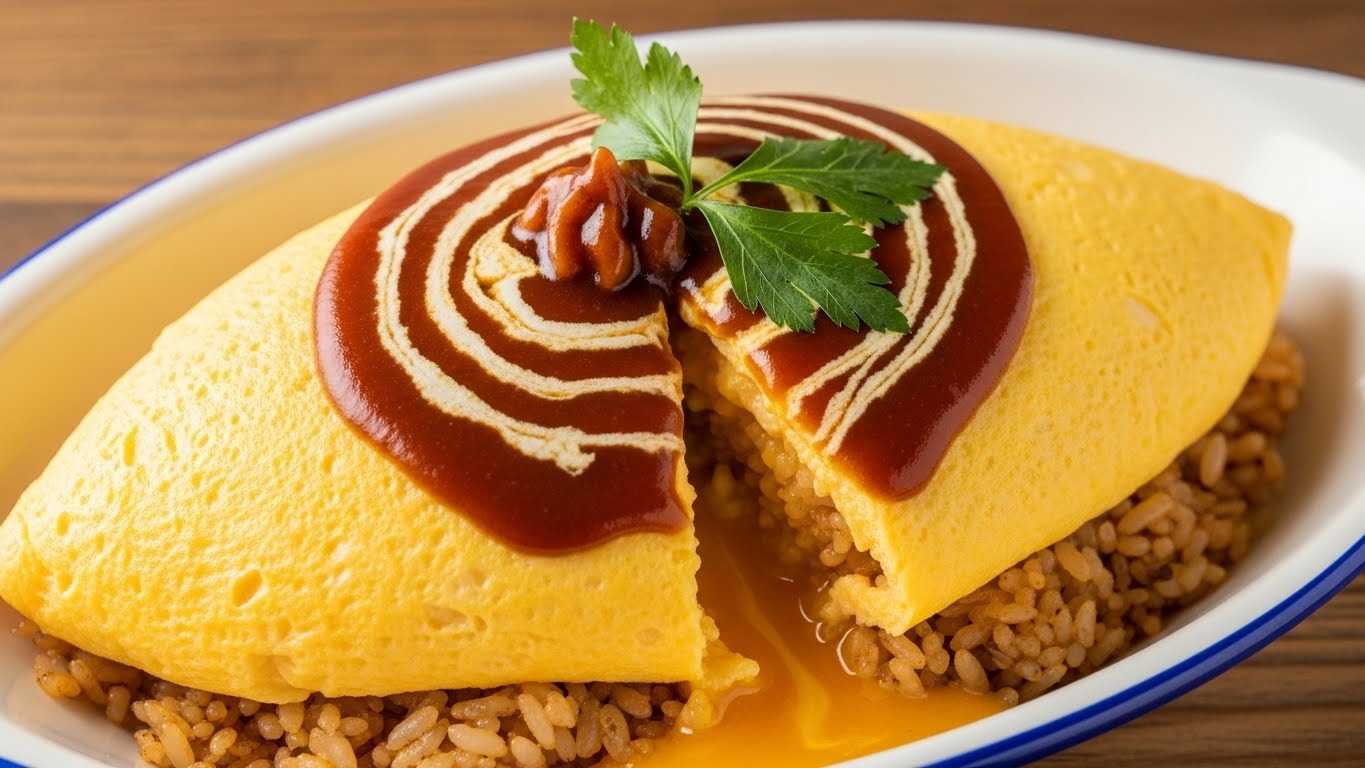
Silky, elegant, and bursting with nostalgic Japanese flavor, Omurice is the ultimate comfort food with a delicate twist. This beloved dish features savory chicken fried rice wrapped in a pillowy soft omelet, all topped with a glossy drizzle of tangy ketchup or demi-glace sauce. It’s the kind of meal that feels like a warm hug and brings a smile to everyone at the table.
Each bite delivers a satisfying blend of textures—creamy eggs, fluffy seasoned rice, and tender chicken pieces all working together in perfect harmony. Whether you’re cooking for a cozy lunch or creating an impressive dinner, this Japanese classic is as beautiful to look at as it is delicious to eat. Customize it with your favorite additions like cheese, mushrooms, or different sauces for a personalized meal that feels both homey and special.
Why You’ll Love This Japanese Rice Omelet Recipe (Omurice)
- Restaurant-quality at home: Achieve that iconic creamy omelet and perfectly seasoned fried rice without leaving your kitchen.
- Comfort food classic: Like Japanese home cooking at its finest. Nostalgic flavors that warm the heart and satisfy the soul.
- Surprisingly simple: Looks fancy but uses basic techniques and everyday ingredients you likely already have.
- Great for leftovers: Perfect way to transform yesterday’s rice into something extraordinary and delicious.
- Kid-approved: The mild, slightly sweet flavors appeal to children while adults appreciate the technique and taste.
Preparation Phase & Tools to Use (Essential Tools and Equipment, Plus Why They Matter)
Before diving into this delicious Japanese Rice Omelet Recipe (Omurice), having the right tools on hand will make everything smoother—from rice prep to the final plating.
Essential Tools & Why You Need Them:
Non-Stick Skillet (8-10 inch)
This is absolutely essential. The eggs need to slide effortlessly without sticking, and the smaller size helps create that perfect oval omelet shape.
Wok or Large Frying Pan
Perfect for making the fried rice component. The high sides prevent rice from flying out while you’re tossing and stirring vigorously.
Chopsticks or Silicone Spatula
Critical for gently stirring the eggs as they cook, creating those signature soft, creamy curds without tearing the omelet.
Rice Paddle or Wooden Spoon
Essential for breaking up clumped rice and ensuring even distribution of ingredients throughout the fried rice.
Measuring Cups & Spoons
Precision helps—especially for the ketchup, soy sauce, and chicken stock that create the signature flavor balance.
Sharp Knife & Cutting Board
For dicing chicken, chopping vegetables, and preparing garnishes like parsley or green onions with clean, precise cuts.
Having these items prepped and within reach makes the cooking process seamless and stress-free.
Preparation Tips
- Use day-old rice that’s been refrigerated—fresh rice is too moist and creates mushy fried rice instead of fluffy, separated grains.
- Beat eggs thoroughly with a fork until completely uniform, with no streaks of white remaining for the smoothest texture.
- Have everything prepped before cooking—omurice comes together quickly, and you don’t want eggs overcooking while you search for ingredients.
- Keep heat moderate when cooking the omelet—too high and it browns; too low and it won’t set properly.
- Work quickly but gently when wrapping the rice—the omelet is delicate and needs a confident, swift motion.
- Serve immediately: Omurice is best enjoyed fresh and hot, when the eggs are at their silkiest and the rice is steaming.
These thoughtful steps elevate your omurice from good to restaurant-quality perfection.
Ingredients for This Japanese Rice Omelet Recipe (Omurice)
Here’s everything you’ll need to create this classic, comforting Japanese dish. Most of the ingredients are kitchen staples, making it both accessible and perfect for using up leftovers.
For the Chicken Fried Rice:
- 2 cups cooked Japanese short-grain rice, day-old and refrigerated
- 1 chicken breast (about 6 oz), diced into small pieces
- ½ small onion, finely chopped
- ½ cup frozen mixed vegetables (peas, carrots, corn)
- 3 tablespoons ketchup
- 1 tablespoon soy sauce
- 1 teaspoon chicken bouillon powder or ½ cube
- 2 tablespoons butter, divided
- Salt and white pepper to taste
- 1 tablespoon vegetable oil
For the Omelet:
- 3 large eggs per serving
- 1 tablespoon milk or heavy cream
- Pinch of salt
- 1 tablespoon butter (for cooking each omelet)
For the Topping:
- 3-4 tablespoons ketchup (or demi-glace sauce)
- Chopped fresh parsley
- Optional: extra butter for richness
Optional Add-ins:
- Sliced mushrooms
- Green peas
- Diced bell peppers
- Shredded cheese inside the omelet
- Worcestershire sauce for depth
- Squeeze of lemon juice
Everything in this list creates that signature sweet-savory balance—the ketchup-seasoned rice pairs beautifully with the silky egg blanket. The toppings are simple but add the perfect finishing touch.
Step 1: Prepare the Chicken Fried Rice
Heat 1 tablespoon of vegetable oil and 1 tablespoon of butter in a wok or large frying pan over medium-high heat. Add the diced chicken and cook for 3-4 minutes until no longer pink. Season lightly with salt and pepper.
Add the chopped onion and cook for 2 minutes until softened and translucent. Toss in the mixed vegetables and stir-fry for another 2 minutes until heated through.
Step 2: Season and Combine
Add the day-old rice to the pan, breaking up any clumps with your spatula. Stir-fry for 2-3 minutes, ensuring the rice is evenly heated and mixed with the chicken and vegetables.
Push everything to one side of the pan. Add the remaining 1 tablespoon of butter to the empty side, let it melt, then add the ketchup and soy sauce. Stir the sauce briefly until it bubbles, then mix everything together thoroughly. Sprinkle in the chicken bouillon powder, stir well, and adjust seasoning with salt and white pepper. Remove from heat and keep warm.
Step 3: Make the Silky Omelet
In a small bowl, beat 3 eggs with 1 tablespoon of milk and a pinch of salt until completely smooth and uniform—no streaks should remain.
Heat an 8-10 inch non-stick skillet over medium heat. Add 1 tablespoon of butter and swirl to coat the entire surface. Once the butter stops foaming, pour in the beaten eggs all at once.
Step 4: Create the Creamy Texture
Immediately begin stirring gently with chopsticks or a silicone spatula in a circular motion, creating soft, creamy curds. As the eggs begin to set around the edges (after about 20-30 seconds), stop stirring and let the bottom set for another 10-15 seconds. The center should still be slightly runny and jiggly.
Step 5: Wrap and Shape
Remove the pan from heat. Place about 1 cup of the chicken fried rice in a line down the center of the omelet. Using a spatula, carefully fold one side of the omelet over the rice, then quickly tilt the pan and slide the omurice onto a plate while folding the other side over to create that classic oval shape. The residual heat will continue cooking the eggs gently.
Gently shape the omurice with a paper towel or clean kitchen towel if needed to achieve that perfect smooth, oval form. Drizzle ketchup or demi-glace sauce over the top in a decorative pattern, garnish with chopped parsley, and serve immediately while hot.
Notes
Omelet Skill Level: The traditional thin omelet takes practice. Beginners can try a scrambled-style omurice where eggs are loosely scrambled over the rice instead.
Sauce Variations: Classic ketchup is traditional, but demi-glace sauce, tonkatsu sauce, or even curry sauce create delicious alternatives.
Rice Texture: If your rice is too dry, sprinkle a tablespoon of water while frying. If too wet, spread it on a plate to cool before cooking.
Watch Out for These Mistakes While Cooking
- Using fresh, warm rice: Fresh rice has too much moisture and creates sticky, mushy fried rice instead of light, fluffy grains with good separation.
- Overcooking the eggs: Omurice eggs should be soft and slightly custardy, not fully cooked and rubbery. Remove from heat when still jiggly.
- Not beating eggs enough: Streaky eggs create an uneven texture. Beat thoroughly until completely uniform for that silky, restaurant-quality finish.
- Cooking on too high heat: High heat browns and toughens the eggs. Medium heat creates that perfect pale yellow, tender omelet.
- Overfilling with rice: Too much rice makes wrapping impossible and tears the delicate omelet. Use about 1 cup per serving maximum.
- Hesitating during the wrap: Confidence is key. The omelet sets quickly, so you need to work swiftly and decisively when folding.
- Skipping the ketchup in the rice: This isn’t optional—the ketchup creates omurice’s signature tangy-sweet flavor that makes it uniquely Japanese.
- Using a pan that’s too large: A bigger pan makes thin eggs that tear easily. Stick with 8-10 inches for perfect thickness.
What to Serve With Japanese Rice Omelet Recipe (Omurice)?
This comforting dish is a complete meal on its own, but pairing it with the right sides can create a full Japanese-style meal experience. Whether you’re going light or adding more substance, there’s a side for every occasion.
8 Delicious Recommendations:
Miso Soup
A warm, umami-rich bowl of miso soup with tofu and wakame seaweed provides the perfect savory complement.
Japanese Coleslaw
Crisp cabbage dressed in a light, tangy sesame-mayo dressing adds refreshing crunch and cuts through the richness.
Cucumber Sunomono (Vinegar Salad)
Cool, thinly sliced cucumbers in sweet rice vinegar offer a palate-cleansing, refreshing contrast.
Edamame
Simply steamed and lightly salted soybeans make a healthy, protein-packed side that’s always a crowd-pleaser.
Japanese Potato Salad
Creamy mashed potatoes with cucumber, carrot, and Japanese mayo create a rich, satisfying accompaniment.
Tsukemono (Pickled Vegetables)
Assorted pickles like takuan, cucumber, or turnip provide bright acidity and authentic Japanese flair.
Simple Green Salad
Fresh mixed greens with a ginger-carrot dressing or wafu dressing keep things light and balanced.
Fruit Dessert (Melon or Strawberries)
A light, refreshing fruit plate or Japanese-style fruit parfait provides the perfect sweet ending.
These pairings help round out the meal and bring café-style Japanese dining vibes to your table.
Storage Instructions
Japanese Rice Omelet (Omurice) is best enjoyed fresh, but the components can be stored separately for easy assembly later.
How to Store:
Refrigerator: Store the chicken fried rice in an airtight container for up to 3 days. Note: omelets don’t store well and should be made fresh when serving.
Freezer: The fried rice freezes beautifully. Portion into freezer-safe containers or bags and freeze for up to 1 month. Omelets should always be made fresh.
Reheating:
Microwave: Reheat the fried rice in the microwave on high for 2-3 minutes, stirring halfway through. Add a splash of water if it seems dry.
Stovetop: Reheat rice in a pan over medium heat with a small amount of butter or oil, stirring frequently until heated through.
Always ensure internal temperature reaches 165°F (74°C) when reheating. Make fresh omelets each time for best results.
Estimated Nutrition (Per Serving – Based on 6 Servings)
Please note this is an approximate breakdown and may vary based on exact ingredients used.
| Nutrient | Amount Per Serving |
|---|---|
| Calories | 365 |
| Protein | 18g |
| Carbohydrates | 35g |
| Dietary Fiber | 2g |
| Sugar | 7g |
| Total Fat | 16g |
| Saturated Fat | 7g |
| Unsaturated Fat | 8g |
| Trans Fat | 0g |
| Cholesterol | 285mg |
| Sodium | 680mg |
This dish provides a balanced combination of protein, carbs, and fats—perfect for a satisfying lunch or light dinner with lasting energy.
Frequently Asked Questions
1. Can I make Japanese Rice Omelet (Omurice) ahead of time?
You can prepare and refrigerate the chicken fried rice up to 2 days in advance. However, the omelet must be made fresh right before serving for the best texture.
2. Can I use different meat besides chicken?
Yes! Diced ham, bacon, shrimp, or even ground beef work wonderfully. Vegetarians can use mushrooms or tofu for a meat-free version.
3. Is this dish difficult to make?
The fried rice is simple, but the omelet technique takes practice. Don’t worry if your first attempts aren’t perfect—it still tastes delicious!
4. Can I make it with brown rice?
Definitely. Brown rice works but has a different texture and takes longer to stir-fry. Make sure it’s day-old and well-refrigerated.
5. What if I don’t have day-old rice?
Spread freshly cooked rice on a baking sheet and refrigerate for 30-60 minutes to cool and dry out. It’s not ideal but works in a pinch.
6. Can I make multiple servings at once?
The fried rice can be made in large batches, but omelets should be cooked individually for best results—each one takes only 2-3 minutes.
7. Can I use egg substitutes?
Traditional omurice requires real eggs for that signature silky texture, but you can experiment with plant-based egg alternatives, though results will vary.
8. How do I make the omelet extra creamy?
Add a tablespoon of heavy cream instead of milk, and remove from heat when eggs are still slightly undercooked—they’ll continue cooking from residual heat.
Conclusion
Japanese Rice Omelet Recipe (Omurice) is the ultimate fusion of simple home cooking and impressive culinary technique—all wrapped up in one delightful dish. With its silky egg blanket and savory-sweet fried rice center, it’s everything you love about Japanese comfort food, made accessible for your home kitchen.
Perfect for lunch, dinner, or even a fancy brunch, this omurice is as versatile as it is delicious. Plus, with endless variations for fillings and sauces, it never gets boring. So grab your non-stick pan and make a meal that looks as impressive as it tastes.